 971 503818775


ermelindaisabe
About ermelindaisabe
Picture Your Neighborhood On Prime. Learn This And Make It So
The real estate market does not move in one direction nationwide. It never has. What is happening in Austin is not what is happening in Cleveland. What is true for a three-bedroom in the suburbs of Dallas has almost nothing to do with a two-bedroom in San Francisco. Before you do anything else, narrow your focus to the specific market you are shopping in and stop reading national headlines as if they apply to you personally.
 In markets where new construction has been active, prices have pulled back. Phoenix, Austin, and parts of Florida saw corrections of ten to fifteen percent from peak levels in some submarkets. But those are the exceptions. Most markets are not working from excess; they are working from scarcity.
 Affordability, by the standard measure of what share of median household income goes toward the monthly payment on a median-priced home, is near its worst level since the early 1980s. That is a real problem, and it is not going away quickly. A market can stay unaffordable for longer than most buyers expect to wait. What it means, practically, is that the buyer who can close confidently has more leverage than the headline numbers suggest.
Your credit score affects your rate more directly than most buyers realize. The difference between a 680 score and a 760 score can mean a half-point or more in rate. If your score has room to improve, give yourself three to six months to work on it before you begin in earnest.
The inspection is where the marketing copy meets reality. Schedule it and attend in person if at all possible. A good home inspector will walk you through what they are finding as they go, and the conversation is often more valuable than the written report that follows.
The offer price is one variable among several. The buyer who calls the listing agent before submitting, asks what matters to the seller, and builds the offer around that information wins more often than the buyer who simply goes the highest.
The timing question, whether to buy now or wait for prices to pull back, is the one that trips up more buyers than any other single factor. The record on market timing for owner-occupied housing is not encouraging. The more useful question is not whether now is the right time in the abstract; it is whether you are buying because the numbers make sense for you, not because you feel social pressure to own.
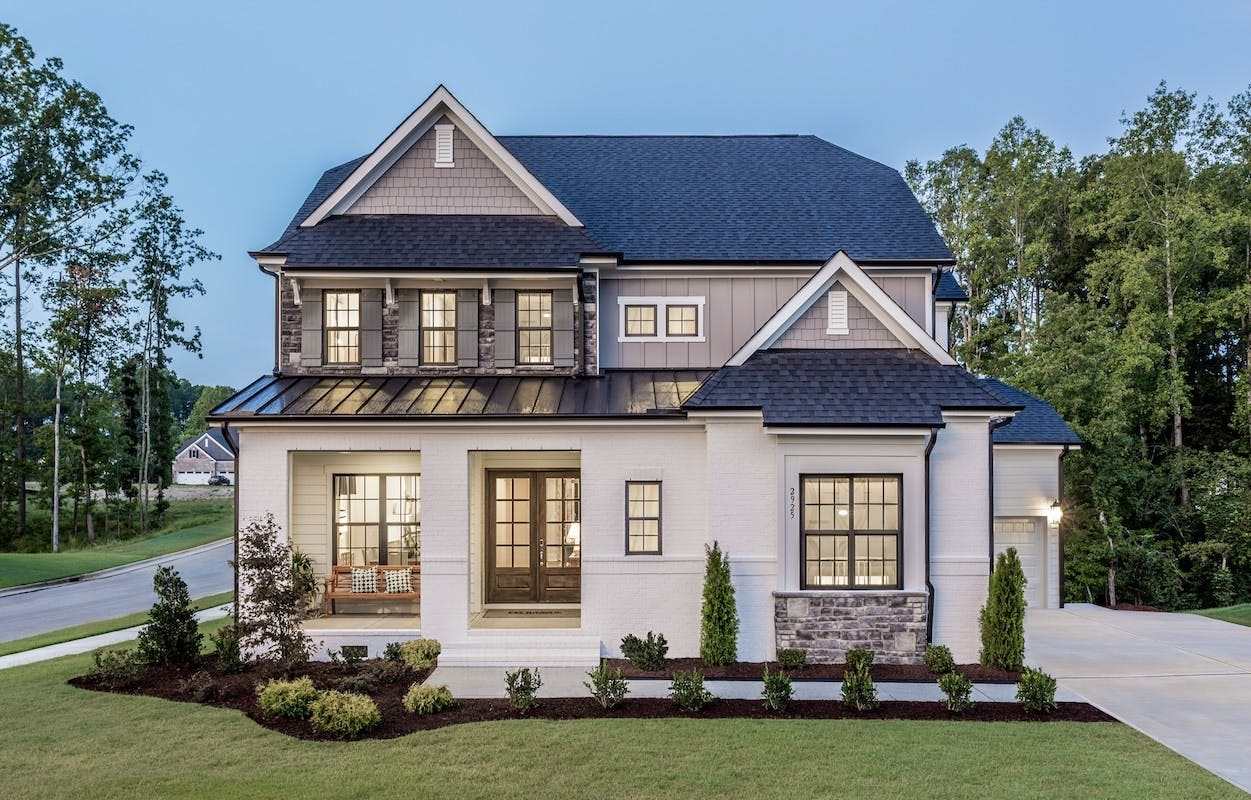 Real estate rewards preparation more than it rewards timing. Nobody consistently calls the top or the bottom of a market, but buyers who show up informed and financially ready close deals in every cycle. Check up-to-date property listings and see whether what is available matches what you have been planning for.
No listing found.