 971 503818775


valeriabermude
About valeriabermude
Three Very Simple Things You Can Do To Save Homes
 There is a version of the housing market story that gets told over and over, and it goes like this: prices are high, rates are high, nothing is affordable, and the only people buying are the ones with cash. That version is not wrong, exactly. It is just incomplete.
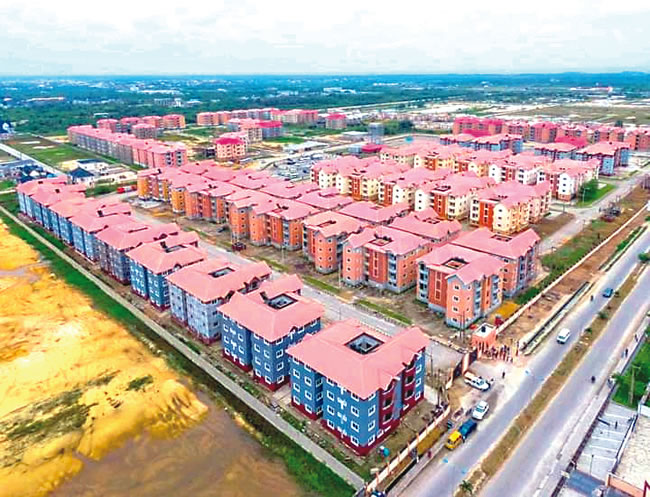 In markets where builders have added meaningful supply in recent years, prices have pulled back. Markets that overheated fastest have cooled most noticeably. But those are the exceptions. Most markets are not working from excess; they are working from scarcity.
 Mariana is a name you might hear from a lot of agents right now, because the buyers getting deals done tend to know exactly what they want and why. That is not a personality trait. It is a preparation habit.
Your credit score affects your rate more directly than most buyers realize. Moving your score up by 40 points before you apply can be worth more than months of rate watching. If your score has room to improve, pull your reports, find the issues, and address them before you start shopping seriously.
The appraisal is the lender’s check, not yours. A low appraisal means the buyer has to make up the gap in cash, renegotiate, or cancel. Ask your agent how common appraisal gaps have been in your target price range and neighborhood.
Budget two to four percent of the purchase price for closing costs, on top of your down payment. First-time buyers routinely underestimate this number. Ask your lender for a Loan Estimate as early in the process as possible.
Real estate is illiquid. If there is a reasonable chance you will need to move in two years, renting is the financially rational choice. None of that means do not buy. It means be honest about your time horizon before you commit.

No listing found.